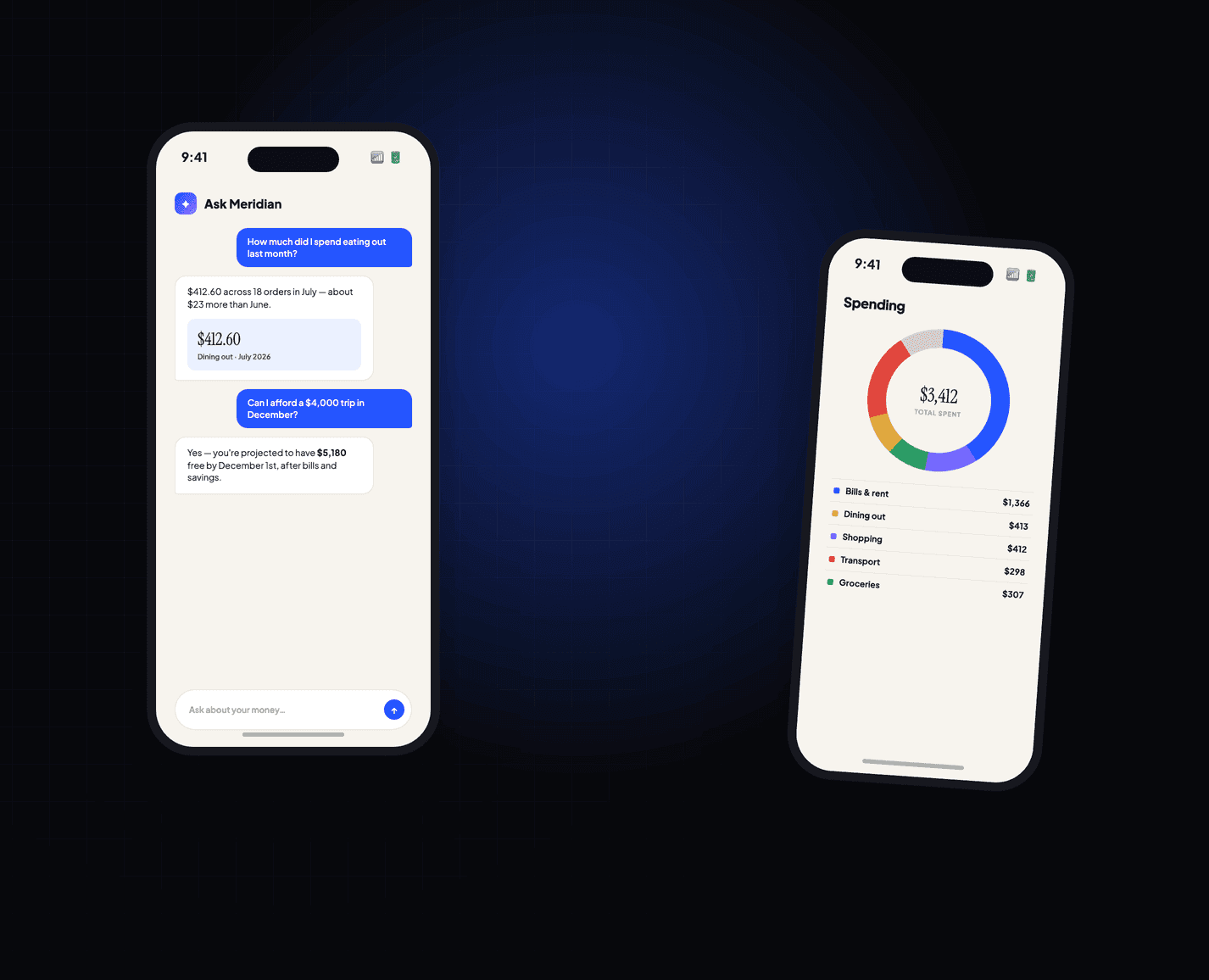
Fieldline Ops replaces Excel, Slack, email and five disconnected SaaS tools with one system — customers, orders, projects, staff scheduling, documents and billing — for a 500-person business running 15 branches.
Most consumer products get the design attention. The internal software running a 500-person operation — the tool dispatchers, technicians and ops managers actually live in all day — usually gets whatever was fastest to duct-tape together: a shared spreadsheet, a Slack channel standing in for a status field, an inbox as the system of record. It works, technically, until the business outgrows it, and by then nobody agrees on which spreadsheet is current.
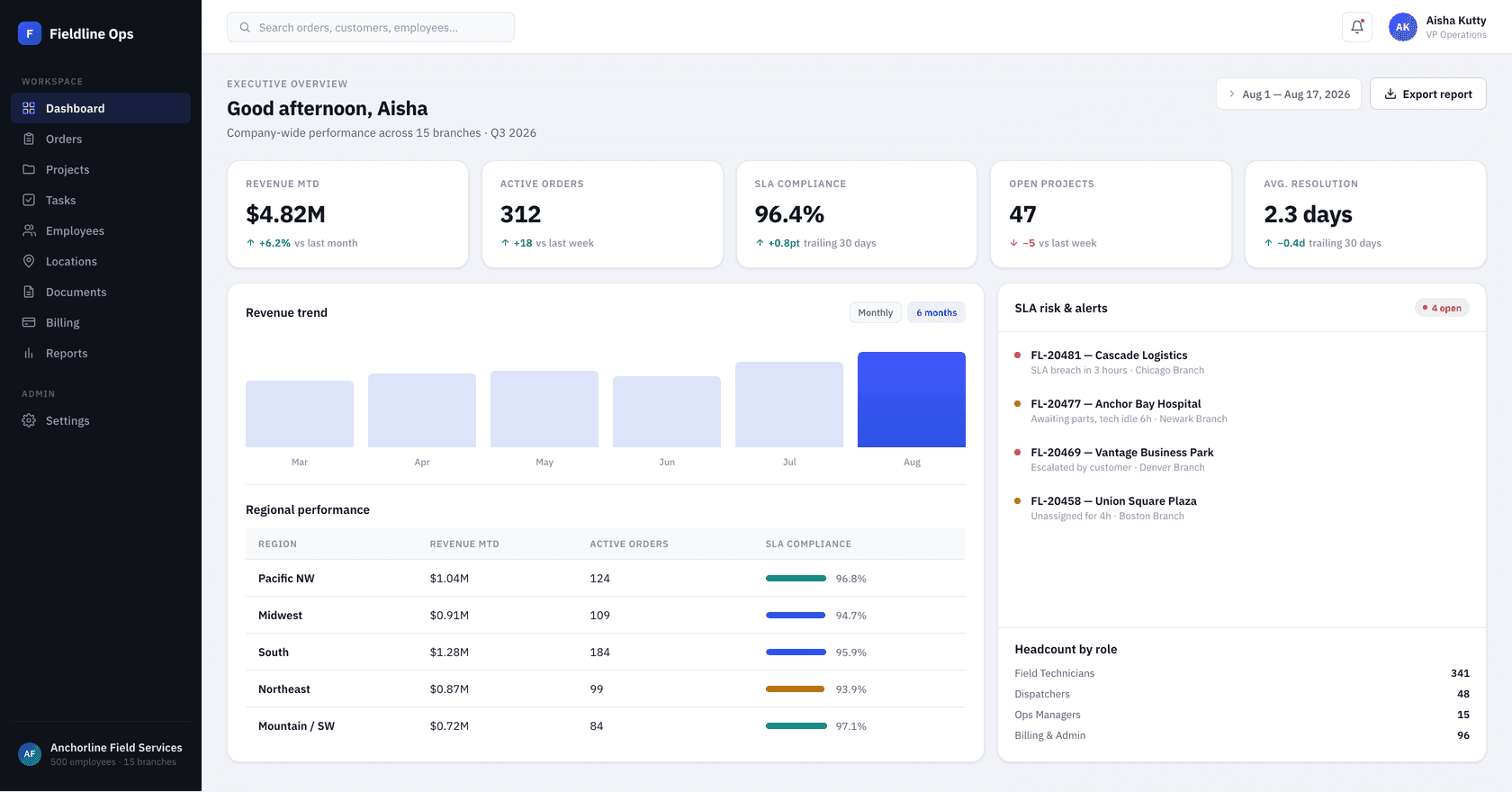
Fieldline Ops is built around the opposite bet: that dense, permission-heavy, data-real software can still be well designed. An executive dashboard that actually answers "how are we doing" in one glance. An operations console built for someone who opens it first thing every morning, not a product tour. A real permission matrix instead of an all-or-nothing admin flag. Staff scheduling that shows utilization risk before it becomes a missed shift.
We designed and built Fieldline Ops in house — the executive, operations and administrative surfaces, modeled against a realistic 15-branch, 500-employee company rather than a two-user demo. It's deliberately the "enterprise complexity" entry in this portfolio: proof that our range extends past marketplaces and AI products into the harder, less photogenic software that keeps a real business running.
Revenue, active orders, SLA compliance and regional performance in one view — the numbers a VP of Ops actually opens every morning.
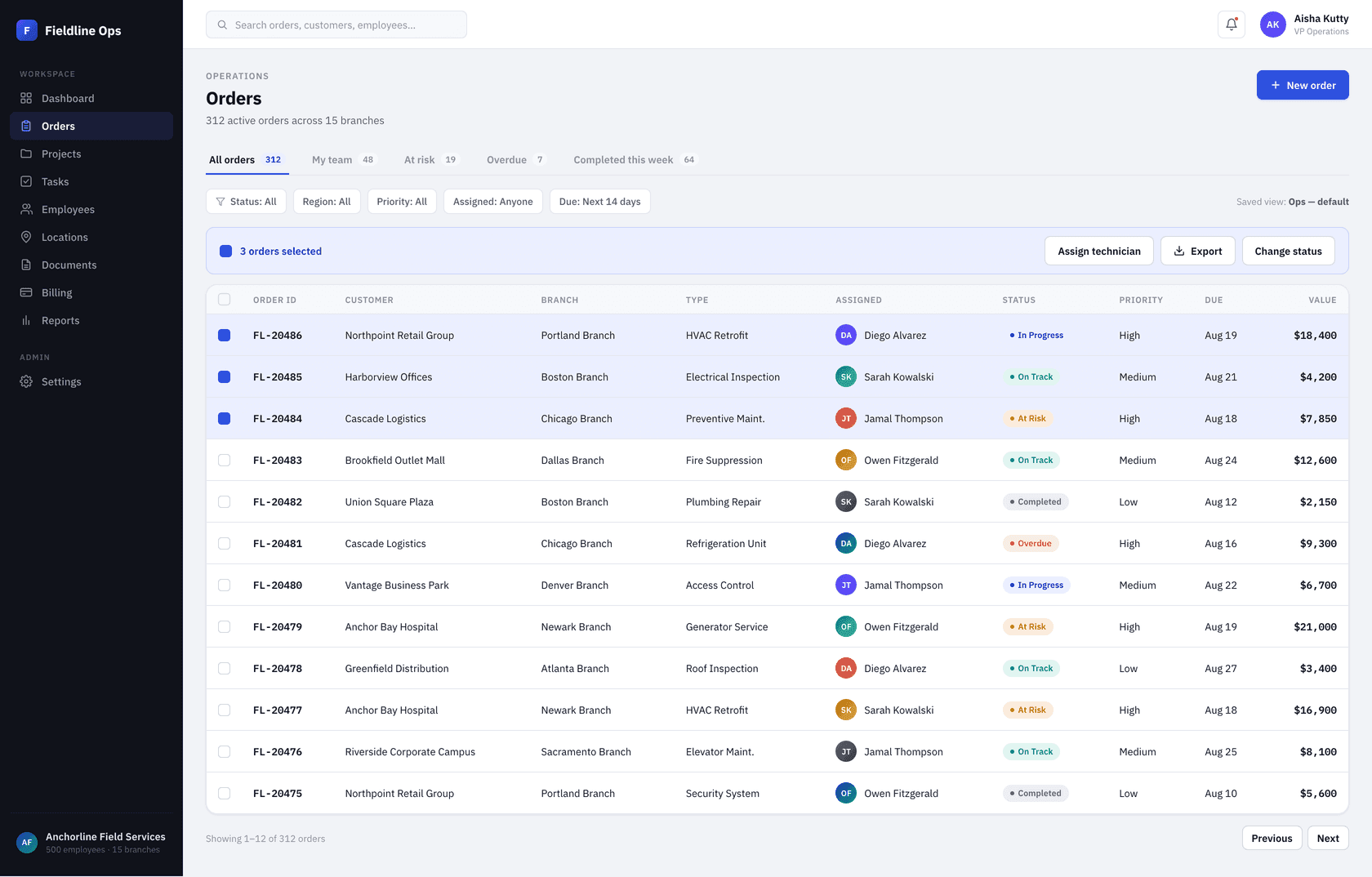
A real order-management table — saved views, filters, bulk actions — built for someone who lives in it eight hours a day, not a demo.
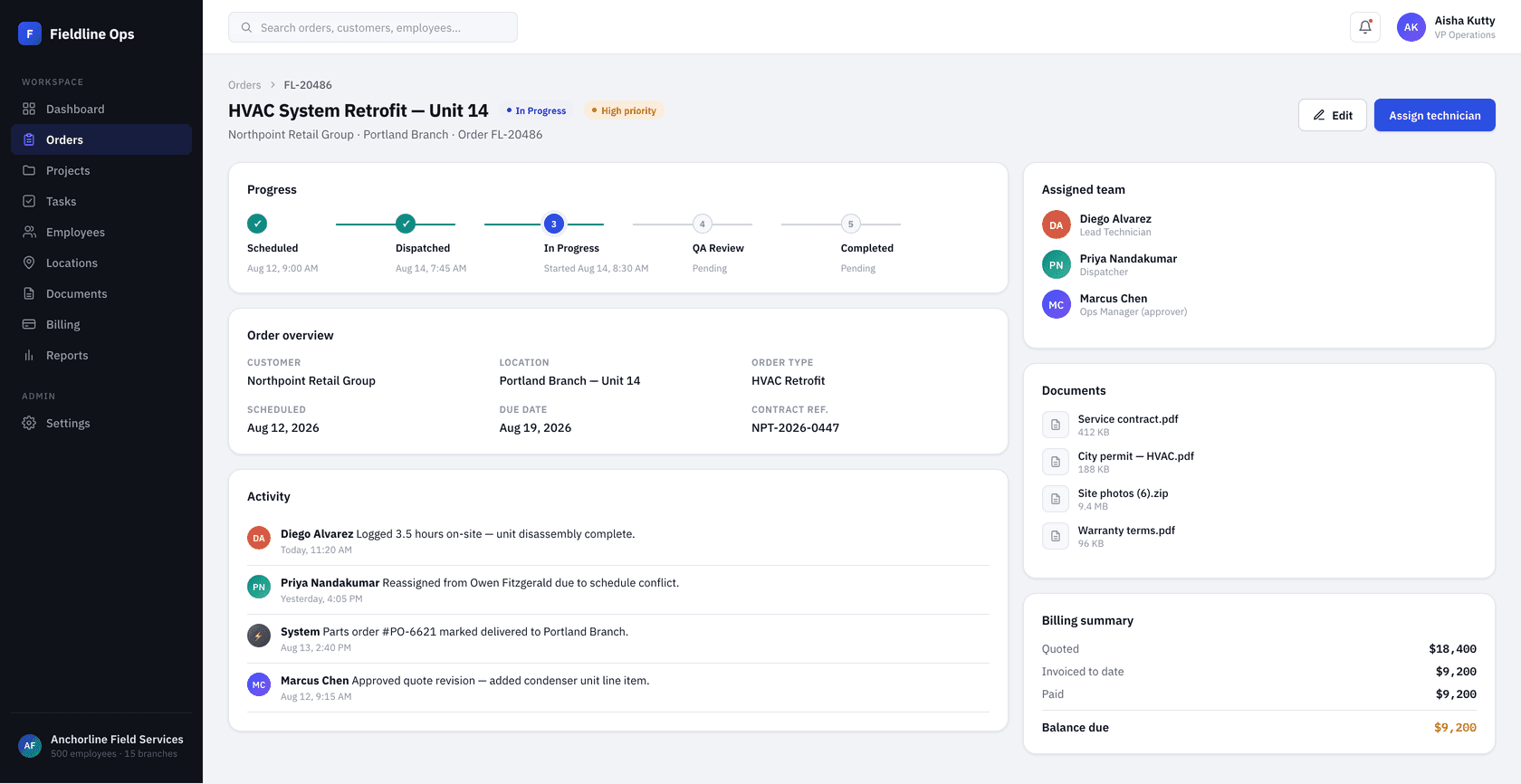
Every order's full history in one place: progress timeline, assigned team, documents and billing, not five tabs open at once.
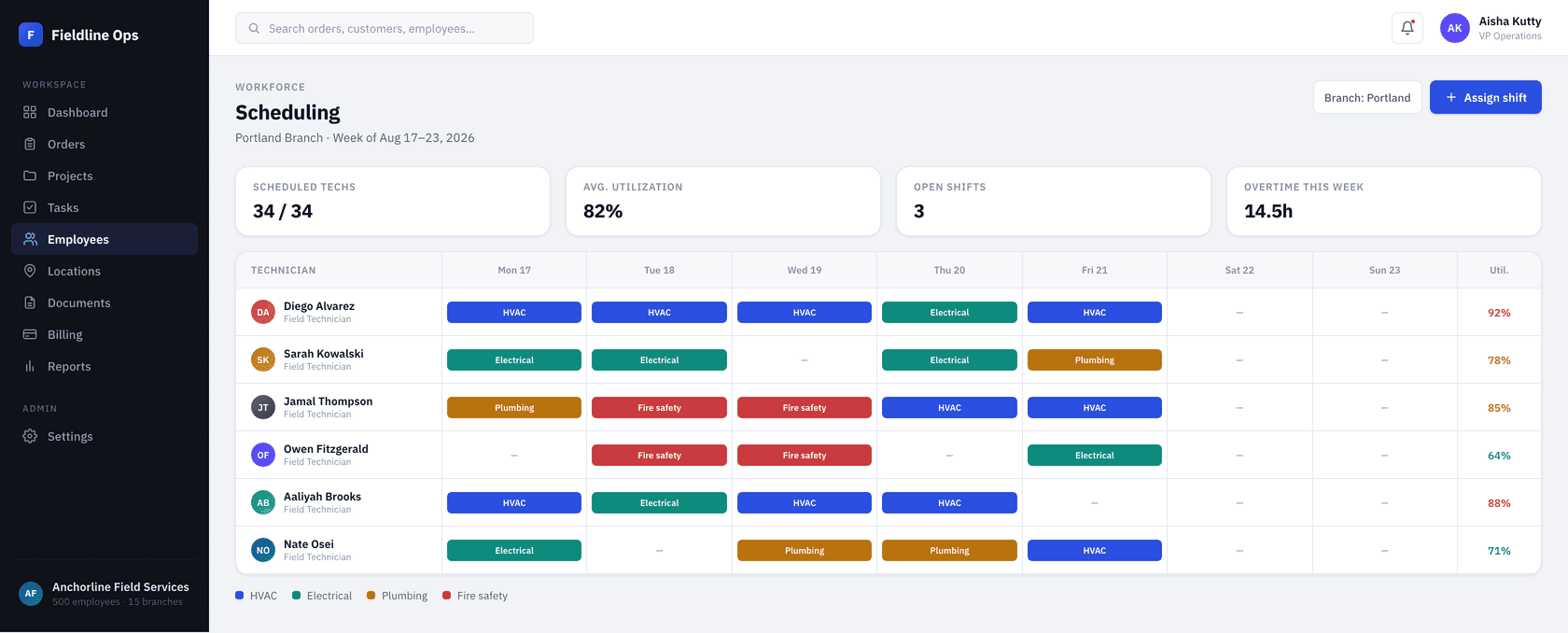
A weekly roster across every branch — shift type, utilization per technician, open shifts flagged before they become a problem.
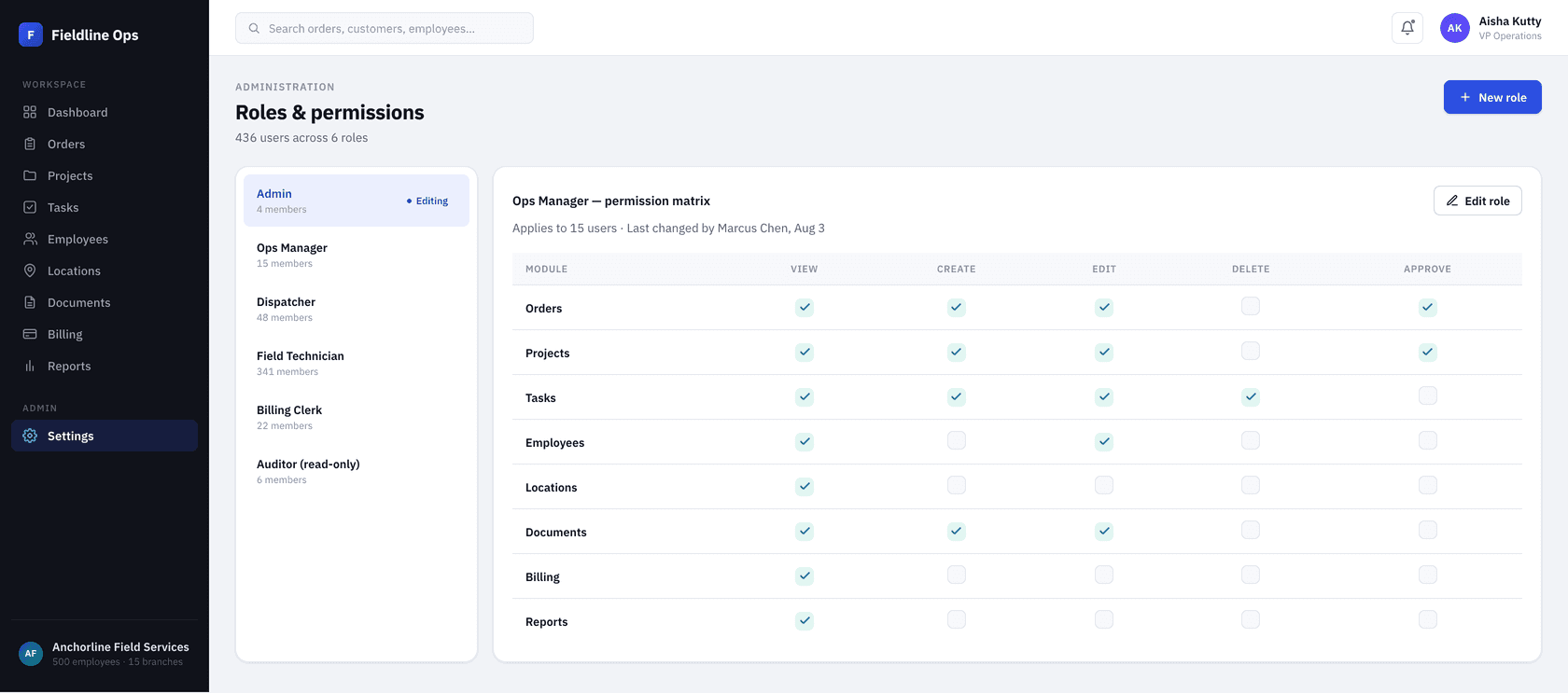
A real permission matrix per role, module by module — view, create, edit, delete, approve — not an all-or-nothing admin flag.
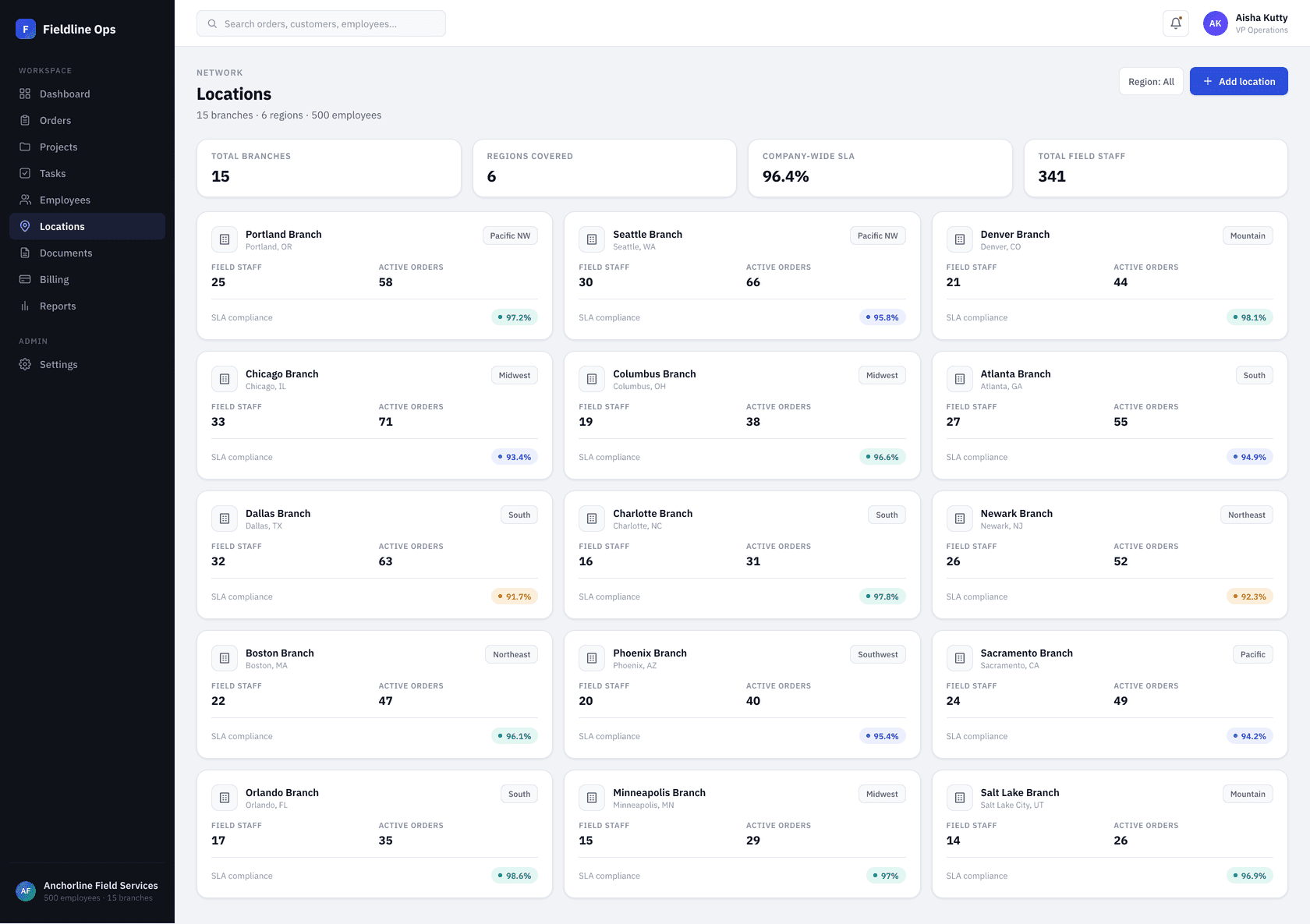
Fifteen branches, 500+ employees and hundreds of concurrent orders, modeled as real data from the first screen, not a two-user demo.
“Anyone can design one pretty screen. The brief here was five screens that still feel coherent when one of them is a 300-row table and another is a permission matrix.”